Sci-Vi seminar at NOVA

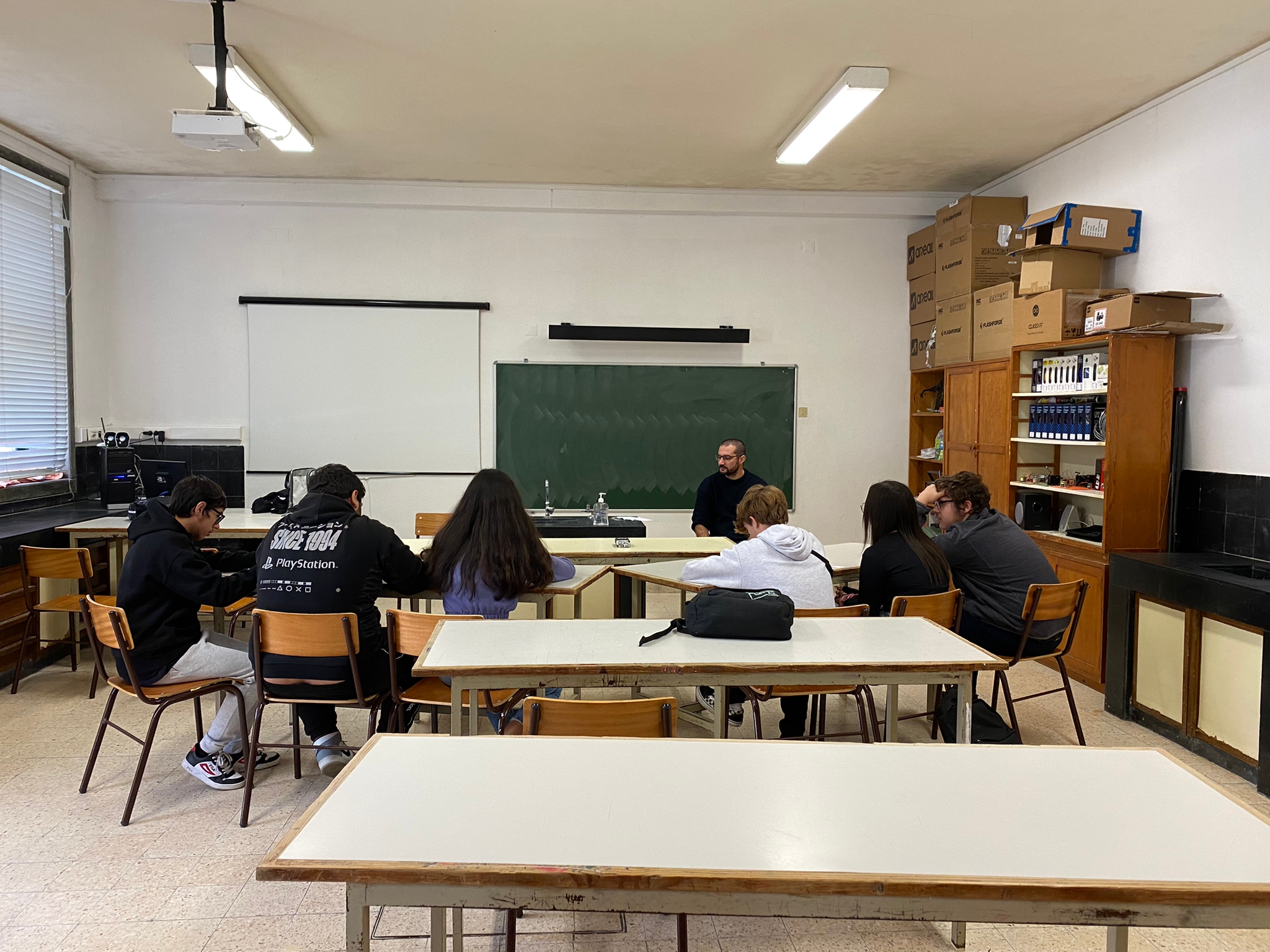
Promoting research to the public is essential to scientists’ work. Whether communicating to the general public, funding bodies, policymakers, or potential collaborators, the challenge remains: How do we translate complex, specialized research into a clear and engaging format? A great way to bridge this gap is through scientific visualization. The seminar will focus on the use of animation and how science animation enables the communication of intricate scientific concepts visually and intuitively that resonate with a broad audience. 

If you are interested in how Sci-Vi can help you promote your research, join the seminar! For application, the students are required to fill out the online application form. Submission deadline: 8th of November, 2024.

VR at your service!

VR at your service! immersive media for enhancing well-being in organizations

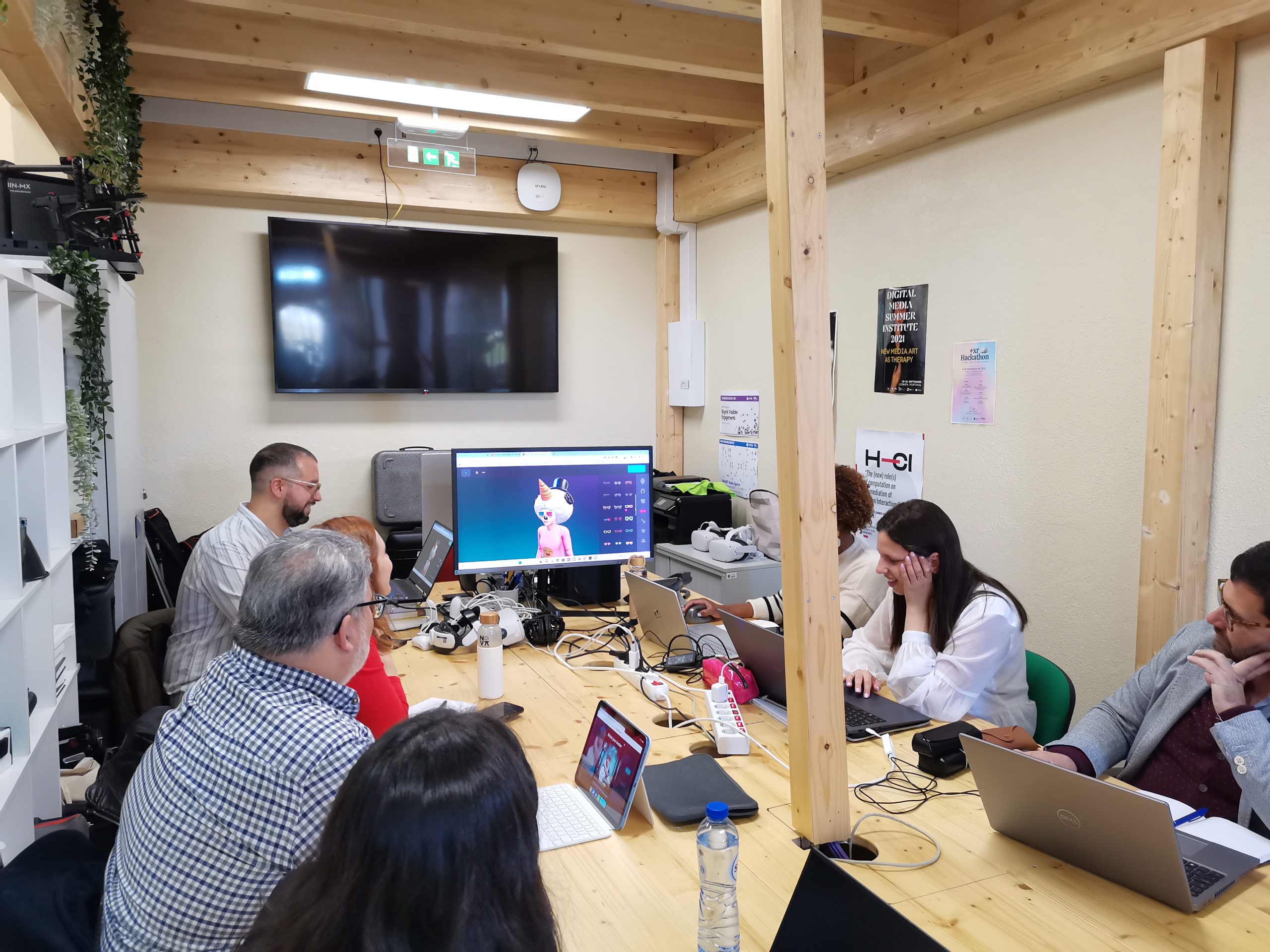
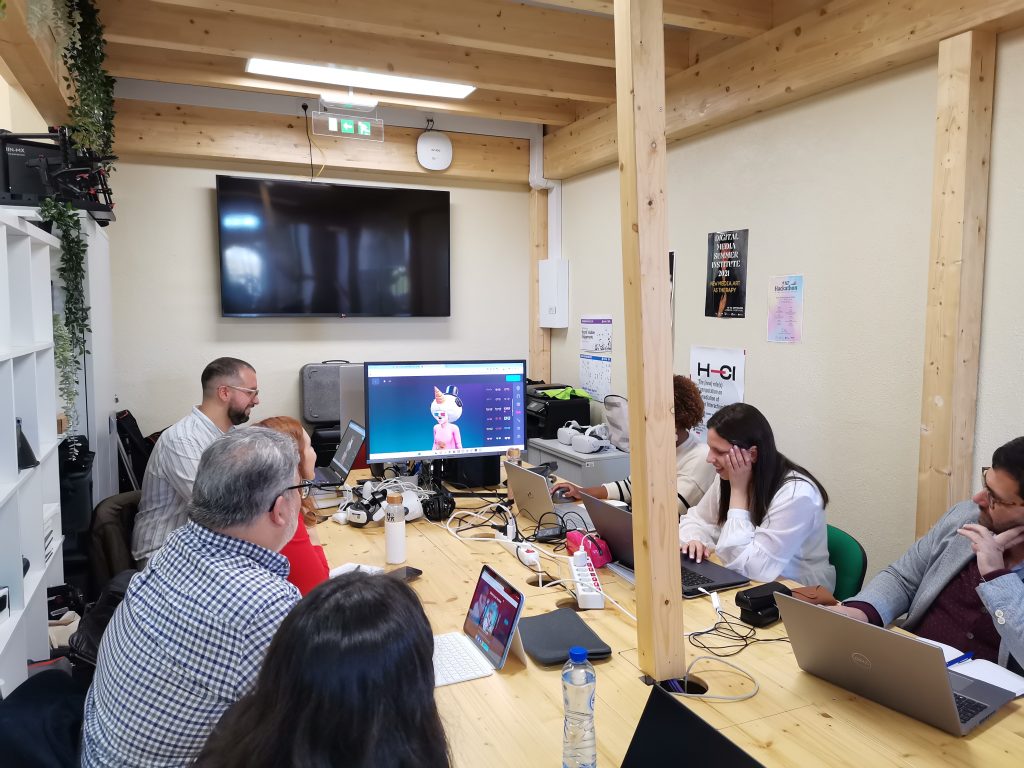
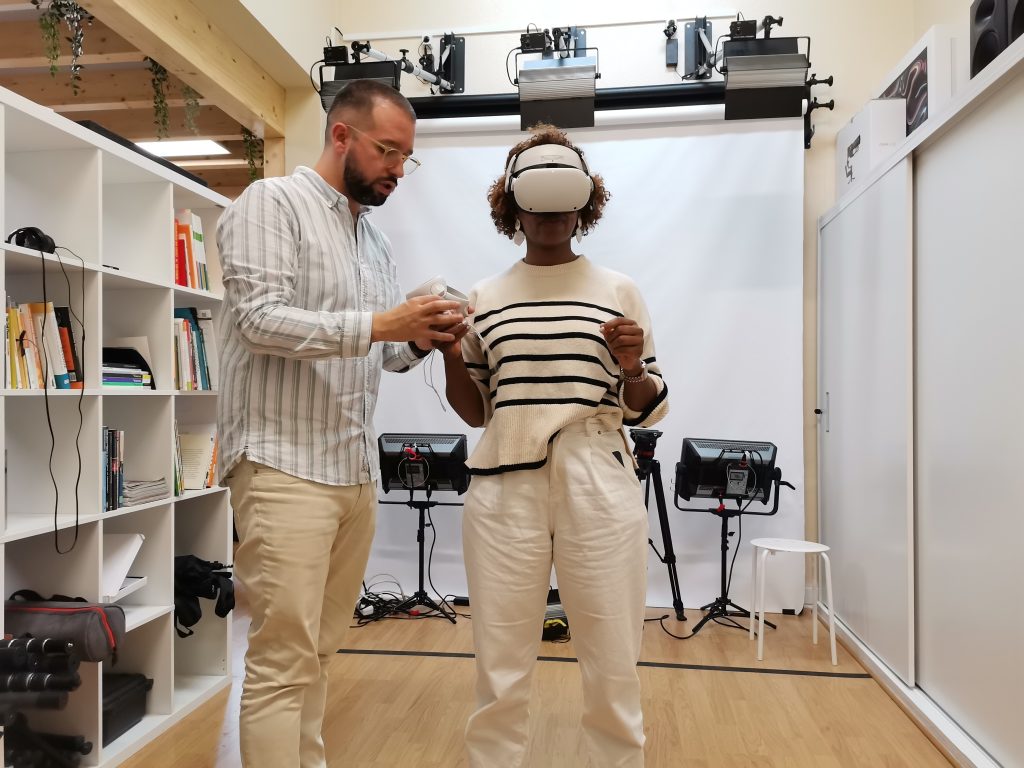
The first edition of the VR at your service! workshop, which focused on immersive media for enhancing well-being in organizations, took place on March 31st and April 1st. The workshop was led by António Baía Reis, a researcher and artist, who encouraged participants to view immersive media as a means of driving innovation within organizations.

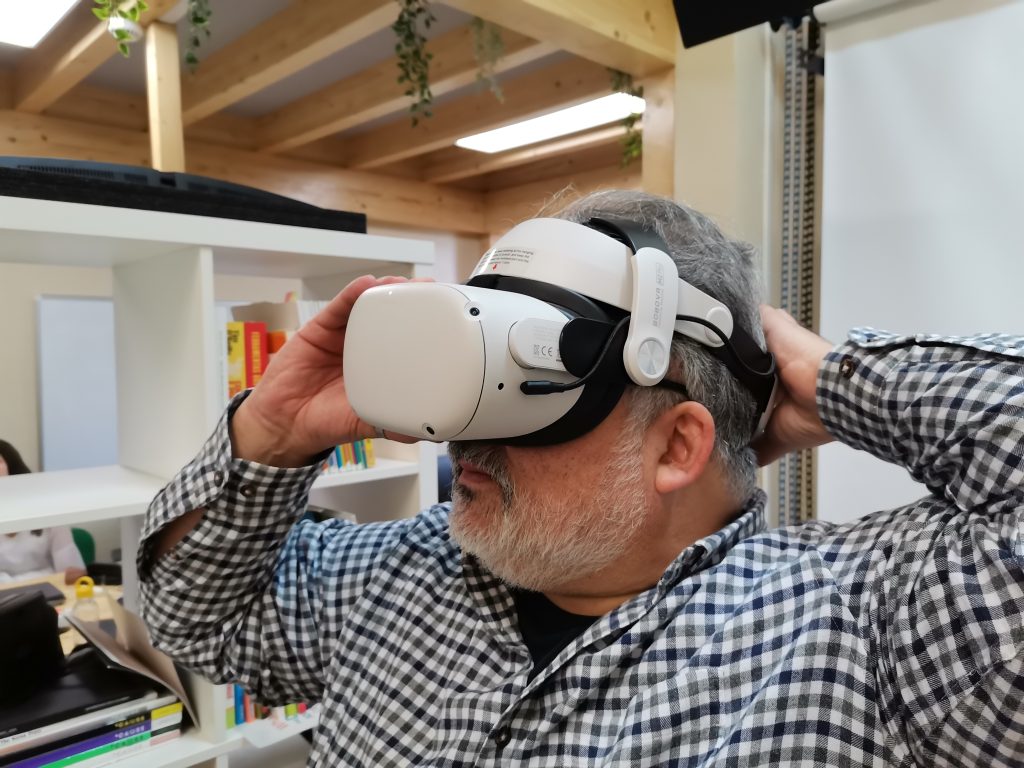
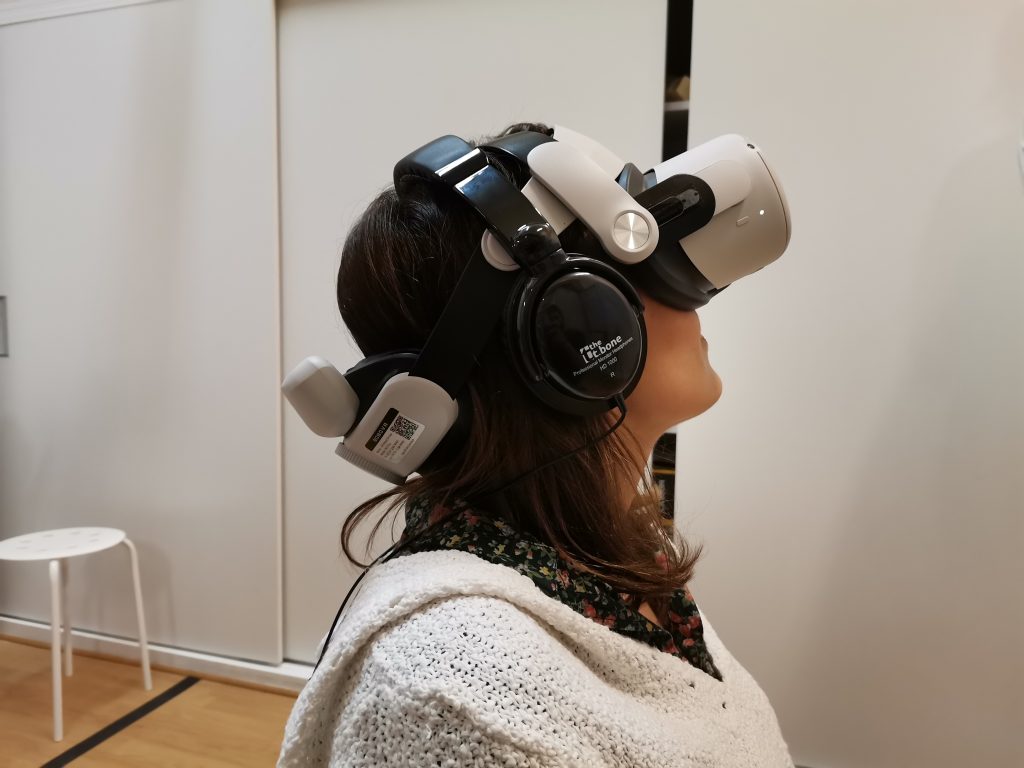
Over the course of two days, the workshop aimed to introduce participants to XR (Extended Reality) technologies and their potential in fostering well-being practices within organizations. It also explored the concepts of social VR (Social Virtual Reality) and helped facilitate the creation of a living manifesto for immersive well-being in organizations.

Beyond the theoretical component, which delved into the main foundations and concepts of this research area, participants were given the opportunity to experience virtual environments firsthand and develop their own XR integration projects to address the needs and problems of organizations.

This activity resulted from the partnership between iNOVA Media Lab and the Post-Graduate Program in Internal Communication and Well-being in Organizations.

José Sotero

DIGIUSOS: Young people and the Digital Transition

Young people and the Digital Transition: Uses, challenges and opportunities in the Autonomous Region of the Azores

Over the last decade, the digital transition has been one of the most recurrent themes on the agenda of the European institutions. Young people, seen as central actors in this field, have gained prominence in the definition of objectives and policies, seeking to mitigate the uncertainties about the future, triggered by successive crises such as climate change, technological transformations, social exclusion, populism, or misinformation.

The European Union Youth Strategy 2019-2027 foresees a set of objectives aimed at developing the full potential of young people in several areas. Although they are not legally binding, they expose the relevance of reflection-action around equality, inclusion, education, work, access to and criticism of information and democratic participation, highlighting the importance of the uses of technologies and digital practices for these processes.

The effective implementation of these goals requires a diagnostic work of the social contexts and the population of interest, allowing the mapping of profiles, skills, and inequalities in access and use for the establishment of targeted action plans. The digital transition must, therefore, be understood as a process adapted to each reality. The Autonomous Region of the Azores has sought to intervene in the empowerment of young people by developing public policies in basic economic areas – agriculture, fishing, and tourism, through research and innovation, as well as by implementing actions for the digital inclusion of individuals and institutions.

In this regard, the DIGIUSOS’ goal is to produce a study-diagnosis on the use of media and digital technologies (devices, platforms and content) by the young population (15 – 29 years old)5 of the Autonomous Region of the Azores, covering the formal and informal contexts. This systematized mapping of practices and digital skills of the young population has not been carried out, inhibiting the design of public policies (regional and national) based on the identification of local communities of practice, the characterization of sociodemographic asymmetries of access and use, the recognition of challenges and opportunities for digital empowerment and the consolidation of best practices for sustainable social inclusion and civic participation.

The innovative characteristic of DIGIUSOS’ scientific contribution is reinforced by a research design that articulates in an unprecedented way in the regional context the five areas of the Digital Competence Framework (DigComp 2.1) – information and data literacy, communication and collaboration, digital content creation, security, problem-solving – covering a differentiated set of devices, platforms, and digital content.

DIGIUSOS is part of a robust international lineage of studies dedicated to examining the accelerated transformations that digital media have been promoting in the social experience of contemporary youth (ex. Montgomery, 2000; Livingstone & Helsper, 2010; Cortesi et al., 2015; Boulianne & Theocharis, 2020; Lombana-Bermudez et al., 2020), gathering original empirical evidence that, in an insular framework of significant socioeconomic asymmetries, allows researchers to answer three fundamental research questions: what is known, how is it characterized, and what are the main challenges and opportunities faced by young people, in the context of digital transition.

Paulo Nuno Vicente, Catarina Duff Burnay and José Sotero.

Autonomous Stores

In 2018, the global giant Amazon opened the first “Just Walk Out” store in Seattle. The media depicted it then, as it still does now, as the shop of the future and the future of shopping. In 2021, Portugal’s largest retail chain opened ‘Continente Labs’, a self-described autonomous store. With their emphasis on automation and autonomy these stores seem aligned with longstanding imaginaries where information and connectivity are cherished as symbols of smartness, progressand innovation at the service of convenience and consumption. Yet, although depicted as ‘autonomous’, these stores are best understood as vast socio-material infrastructures comprising an assemblage of carefully configured spaces, materials, technologies (AI, machine learning, machine vision, internet of things, etc), people, and knowledges. Besides positing the same risks as other information and communication technologies (ICTs), such as data protection, security and privacy, these shops pose additional questions of infrastructural agency, power, artificial intelligence, continuous surveillance, tracking, and behavior experimentation and manipulation. 

The core goal of this project is to examine how autonomous stores are discursively and materially constituted, maintained and used. We seek to examine the worlding practices (Haraway 2016) of these infrastructures to ask what worlds they produce, transform and reify, and with what implications. To do so we investigate two complementary issues:

(1) identifying and examining the sociotechnical imaginaries that animate, drive and justify the development and regulation of these sites; as well as the discourses, assumptions — about humans, technology and their desirable relationships — that materialize in their infrastructures;  

(2) examining the situated material-semiotic assemblages and practices through which autonomous shops are implemented, maintained and used; as well as the underlying understandings of autonomy and agency. Here, we focus our analysis on ‘Continente Labs’ where we have already conducted an exploratory interview with the store manager.

The project relies on a combination of science and technology studies (STS), media studies, ICT studies, critical infrastructure studies, feminist technoscience and design, and is managed by an interdisciplinary team of researchers (Ana Viseu and Paulo Nuno Vicente, ICNOVA; Hande Ayanoglu, IADE; and Ana Delicado, ICS) and external advisors (Lucy Suchman, Univ. of Lancaster, and Jonathan Gray, King’s College).

This project is also a springboard to a future application to EU research funding, with an international consortium, to engage in a broader study of the agency of infrastructures an issue that is all the more important as great parts of our lives are made of/into data. 

Ana Viseu